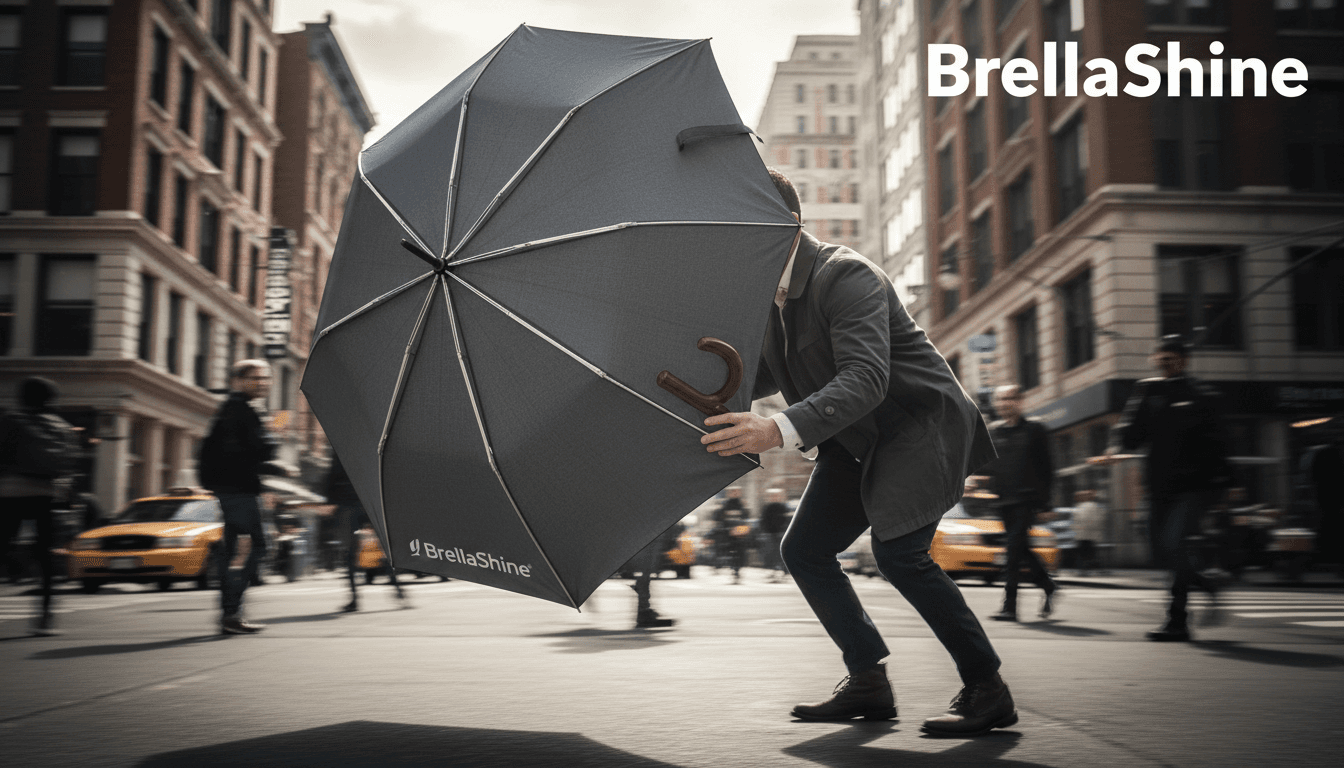
Umbrellas provide critical protection against UV radiation, heavy rain, and intense heat throughout every season. The benefits of umbrellas year round include shielding skin from hidden winter sun rays and offering portable shade to prevent overheating in the summer. These versatile accessories also enhance outdoor privacy and ensure comfort regardless of changing weather patterns.
If you live in Newark, NJ, you already know that the weather rarely gives you a warning before it turns. One morning it's clear skies, and by lunch you're caught in a downpour with nowhere to hide. Most people treat their umbrella like a seasonal accessory, something to grab in April and forget by June, but that mindset is costing you. Newark's climate is genuinely unpredictable across all four seasons, and the right umbrella does far more than block rain. In this guide, you will learn exactly how Newark's weather patterns affect you month by month, what to look for in a truly all-season umbrella, and how to keep it performing at its best so it is always ready when the sky decides to surprise you.
Why Newark Weather Makes the Case for Year-Round Umbrella Use
Newark doesn't do mild. Humid summers along the Passaic River corridor, nor'easters that roll in hard through January and February, spring storms that appear without warning, and fall afternoons with deceptively strong UV make this city a genuine four-season weather challenge. If you commute through Penn Station or walk the Ironbound district regularly, you already know how fast conditions can shift from clear to sideways rain within a single lunch break.
That's exactly why the benefits of umbrellas year round matter more here than in places with predictable climates. An umbrella isn't something you dig out in April and forget by June. In Newark, it earns its place in your bag every month of the year, through every season this city throws at you.
Spring in Newark: Rain, Wind, and the Umbrella That Needs to Keep Up
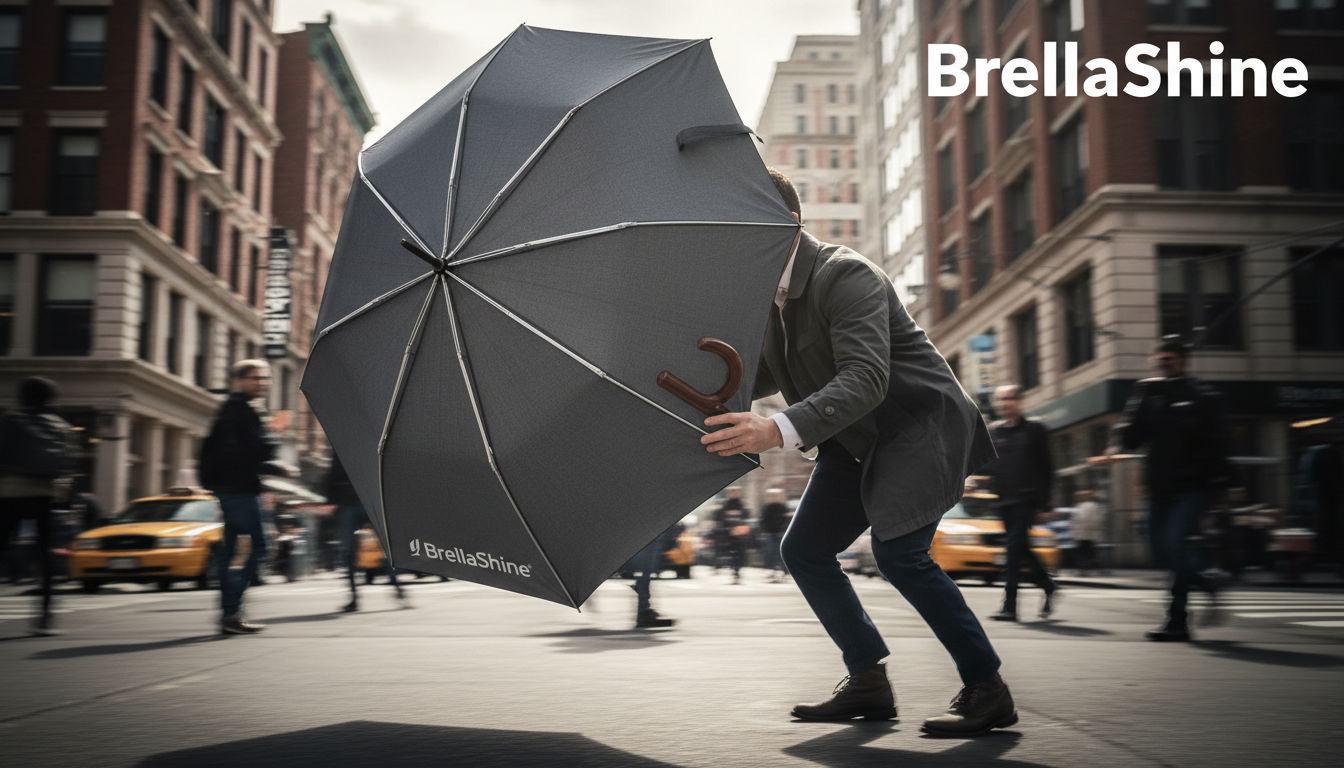
Spring is where Newark's weather gets serious. March and April carry the remnants of nor'easters long after the calendar says winter is over, and commuters crossing the Meadowlands corridor on NJ Transit know exactly what that feels like: sustained gusts that flip a cheap umbrella inside out before you've made it half a block. Afternoon downpours in May arrive with almost no warning, turning a dry morning commute into a soaking walk back from Penn Station.
Spring is also when people pull their umbrella out of a coat pocket or closet and discover it didn't survive being stored damp, or folded at an odd angle for three months. A canopy that looks fine until the first strong gust tells a different story fast. Frame integrity matters more in spring than any other season precisely because the wind load is highest. A bent rib or a loose ferrule that seemed minor in October becomes a real problem when you're walking into a March squall near Broad Street.
The good news is that storm damage doesn't automatically mean replacement. Bent ribs, broken stretchers, and stuck mechanisms are often fixable. Professional umbrella repair restores structural integrity at a fraction of the cost of buying new, and it's worth exploring before you default to another disposable umbrella that won't survive the next gusty afternoon either.
Summer Heat and UV Protection: The Forgotten Benefit of Umbrellas
Rain protection is the obvious use case, but it accounts for maybe half of what a quality umbrella actually does. The other half matters most between June and August, when Newark summers turn the city's concrete and asphalt into a slow-moving heat trap.
People often ask why anyone would carry an umbrella on a sunny day. The answer is straightforward: a standard umbrella already blocks a meaningful percentage of UV radiation just by virtue of its canopy fabric. A UV-rated parasol-style umbrella, specifically treated and rated for sun protection, can block up to 99% of both UVA and UVB rays. That is a more complete sun shield than most people carry in their bag on a summer afternoon.
Newark's urban heat island effect makes this more relevant than it sounds in the abstract. Broad Street and the blocks surrounding Newark Penn Station absorb and radiate heat in ways that push perceived temperatures well above what weather apps report for the broader metro area. Even Branch Brook Park, usually a welcome escape, sits surrounded by city infrastructure that holds daytime heat into the evening. Walking between appointments downtown or spending an afternoon at a summer park event feels genuinely different with portable shade overhead compared to direct sun exposure.
The question of why Americans historically skipped sun umbrellas while cultures in Japan, South Korea, and parts of Europe adopted them comes down to habit more than logic. In Japan, the "higasa" or sun umbrella is treated as a basic warm-weather item, not an accessory. That cultural gap is closing here. Dermatologist recommendations, growing awareness of cumulative UV damage, and better umbrella designs have pushed sun umbrella use into mainstream conversation in the U.S. in recent years.
If your umbrella is already with you for spring rain, there is no extra effort involved in raising it against a July sun. The benefits of umbrellas year round include this kind of quiet, practical double duty that most people simply haven't thought about yet.
Fall Conditions in Newark: Wind Gusts, Leaf Litter, and Unpredictable Skies
Summer's heat island logic transitions naturally into fall, but Newark's autumn weather operates on its own unpredictable schedule. October can open with three warm, dry days that feel like an extension of September, then pivot to cold rain by Thursday without much warning. Commuters moving through Newark Liberty Airport or catching NJ Transit trains at Broad Street station know this pattern well: a dry morning departure can mean a genuinely wet return trip, often within the same day.
Fall also brings a sun angle that competitors rarely address. By October, the sun sits low in the southern sky throughout the afternoon, producing glare that cuts directly into your sightline at street level. On Broad Street heading south or along McCarter Highway during afternoon commute hours, that low-angle light is relentless. An umbrella tilted forward provides fast, effective shade without stopping to dig for sunglasses.
The mechanical side of umbrella care matters in fall too. Dry, gusty November winds put real stress on canopy fabric and rib joints, even without rain involved. Running a quick inspection now, checking for loose ferrules, stressed fabric seams, and stiff pivot points, sets you up before the cold wet months arrive and demand the most from your umbrella.
Winter in Newark: Cold Rain, Sleet, and Why Your Umbrella Still Works Hard
That fall inspection advice carries directly into what comes next. Newark winters are not primarily snow events. January and February here bring cold rain, sleet, and freezing rain far more often than the clean snowstorms people picture, meaning your umbrella sees regular deployment through the coldest months rather than sitting unused while you wait for a blizzard.
Freezing rain is the specific condition that punishes umbrellas hardest. Water works into pivot joints, runner tracks, and rib connections, then freezes as temperatures drop overnight. By morning, mechanisms that opened smoothly the day before are stiff or fully locked. Forcing a frozen umbrella open is one of the most reliable ways to crack a plastic runner or snap a rib at the joint, damage that could have been avoided by simply letting the mechanism thaw before use.
Winter UV exposure adds another dimension most people genuinely overlook. Snow and ice actively reflect UV radiation back upward, increasing overall exposure compared to a dry overcast day. That makes sun protection a real consideration even in February, particularly on bright days after a storm when glare off pavement ice is intense.
Cold and wet cycling repeated across weeks of winter weather accelerates wear on canopy fabric and frame connections alike. If something starts feeling loose or stiff during this stretch, professional umbrella repair before the problem compounds is the practical move.
How to Choose One Umbrella That Works for All Four Seasons

All of that seasonal wear adds up to a single practical question: what kind of umbrella actually holds up through all of it?
The answer starts with the canopy. A UPF 50+ rated fabric with a UV-resistant coating does double duty, blocking harmful rays on a July afternoon in Branch Brook Park and shedding rain on a March commute through Penn Station. That rating is not a premium feature reserved for specialty parasols; it is a baseline worth looking for in any umbrella you intend to carry year-round.
Frame construction separates a genuinely multi-season umbrella from the $10 rack versions. Flexible fiberglass ribs absorb wind load instead of fighting it, which is exactly the difference between an umbrella that survives a Meadowlands gust and one that inverts on the first block. A smooth, rust-resistant runner and solid rib joints hold up through the repeated wet-and-dry cycling that Newark winters and springs deliver.
For commuters, form factor matters too. A compact folding umbrella that fits in a bag without bulk is the one you actually carry every day, which means it is the one available when the afternoon sky turns without warning.
One quality umbrella, properly maintained and repaired when needed, outperforms a succession of cheap replacements on every measure. If your current umbrella is close but not quite there, umbrella cleaning and care services can restore more than you might expect before you consider replacing it entirely.
Maintaining Your Year-Round Umbrella: Keep It Ready for Any Season

Choosing the right umbrella is only part of the equation. Keeping it functional across Newark's distinct seasonal shifts requires a care rhythm that matches the demands each season places on it.
In spring, after the heavy rain weeks wind down, open your umbrella fully and let it air dry in a well-ventilated space rather than collapsing it wet. Once dry, run your fingers along each rib and check the ferrule tips for bending or loosening from all those windy March and April deployments.
Summer introduces a maintenance issue most people never consider: sunscreen residue and city grime accumulate on canopy fabric when you use the umbrella as a shade tool. A gentle wipe-down with a damp cloth removes the buildup before it works into the fabric weave and degrades the UV coating over time.
Fall is the right moment to check every pivot joint and rib connection before freezing temperatures arrive. A stiff joint in October becomes a cracked runner in January.
In winter, the single most important rule is patience: never force a frozen mechanism. Let it thaw at room temperature first. That one habit prevents most cold-weather frame damage.
Followed consistently, this seasonal approach can extend a quality umbrella's life well past a decade, which is both better for your wallet and better than adding another disposable to the landfill. For umbrellas that need more than a wipe-down, umbrella cleaning and care services from BrellaShine give Newark residents a local option for professional restoration without the guesswork.
The Bottom Line: Your Umbrella Earns Its Place in Every Month of the Year
Newark's weather doesn't offer a slow season for umbrella owners. Spring gusts, summer UV, unpredictable fall skies, and winter sleet cycles all make the same demand: a reliable canopy overhead when conditions shift. The benefits of umbrellas year round come down to one practical reality in this city; versatility isn't optional, it's the baseline. A quality umbrella maintained through seasonal care cycles earns back its cost many times over. If yours has taken a beating through the seasons and needs more than DIY attention, BrellaShine offers professional umbrella repair and umbrella cleaning and care services right here in Newark.
Whether you are navigating a sudden summer downpour or shielding yourself from Newark's winter winds, a high-quality umbrella remains your most reliable accessory throughout the year. Taking care of your gear ensures that it continues to provide the protection you need in every season. If you find that your favorite canopy needs a little extra attention to stay in peak condition, you might consider professional Repair services. Our team is available to help you maintain your essentials so that you are always ready for whatever the weather brings.